
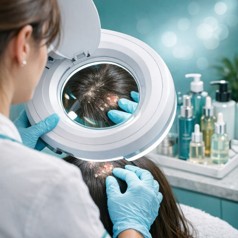
Advanced Diagnostic Techniques in the PGDMT Program: Mastering the Science of Hair Loss
“The definitive clinical guide to diagnosing complex hair loss conditions.”
Hair loss is one of the most emotionally distressing conditions a patient can face, and the internet is flooded with generic, often ineffective remedies. When a patient walks into a clinic, they are not looking for guesswork; they are seeking a definitive, medical diagnosis. For aesthetic practitioners and dermatologists, mastering the art of the follicle requires more than just prescribing topical solutions. It requires a profound understanding of scalp pathology and advanced diagnostic pathways.
The Post Graduate Diploma in Medical Trichology (PGDMT) and advanced hair restoration programs elevate a practitioner from a general provider to a specialized expert. By understanding how to clinically differentiate between various forms of alopecia—such as androgenetic, areata, and scarring—you build the foundational trust required to run a highly successful, profitable aesthetic clinic.
Here is a deep dive into the advanced diagnostic techniques taught in premier trichology programs, followed by a strategic guide on how to turn this clinical expertise into a thriving, multi-specialty hair restoration center.
The Clinical Core: Differentiating Complex Alopecias
A successful treatment protocol is entirely dependent on an accurate diagnosis. The human scalp can exhibit a wide array of pathologies, and misdiagnosing a scarring alopecia as standard male pattern baldness can result in permanent, irreversible hair loss for the patient. Advanced training programs focus heavily on the following diagnostic pathways:
- Androgenetic Alopecia (AGA)
This is the most common form of hair loss, driven by genetics and the hormone dihydrotestosterone (DHT).
- Diagnostic Pathway: The hallmark of AGA is follicular miniaturization. Advanced trichoscopy (dermoscopy of the scalp) will reveal a significant variation in hair shaft diameter, with more than 20% of hairs showing miniaturization in the affected areas. Practitioners are trained to look for specific signs such as the peripilar sign (a brown halo around the follicle) and yellow dots, which represent empty, dilated follicular ostia.
- Alopecia Areata (AA)
An autoimmune condition where the body’s immune system erroneously targets anagen-phase hair follicles, leading to irregular, distinct patches of hair loss.
- Diagnostic Pathway: Alopecia Areata requires a keen clinical eye. Trichoscopy typically reveals “exclamation mark hairs” (hairs that are wider at the top and narrower at the scalp base), black dots (cadaverized hairs broken at the scalp surface), and yellow dots. Unlike AGA, the skin in the bald patches of AA usually looks completely normal and healthy, lacking the fibrosis seen in scarring alopecias.
- Scarring (Cicatricial) Alopecia
This is a group of rare disorders that permanently destroy the hair follicle and replace it with scar tissue. Conditions include Lichen Planopilaris (LPP) and Frontal Fibrosing Alopecia (FFA).
- Diagnostic Pathway: Early diagnosis is critical to halt the progression. Trichoscopy will show a striking absence of follicular ostia (loss of visible pores). Practitioners must learn to identify perifollicular erythema (redness around the follicle) and scaling. In these complex cases, a 4mm punch biopsy of the scalp, sent for histopathological examination, is the gold standard diagnostic tool taught in the PGDMT program to confirm the destruction of the sebaceous glands and follicular stem cells.
Translating Clinical Expertise into a Profitable Clinic
Mastering these advanced diagnostic techniques allows you to prescribe highly effective, targeted treatments—from PRP and exosomes to surgical hair transplants. This clinical mastery naturally leads to the next step in a doctor’s career: opening a specialized clinic.
Opening your own clinic is a proud moment for any doctor or healthcare professional. It’s more than just a business; it’s a way to serve people, create your own space to practice medicine the way you want, and build a personal bond with your community. But before starting, a big question comes up: “How much money will I need to open a clinic in India?”
The cost of opening a clinic isn’t fixed; it depends on the choices you make regarding location, equipment, and services.
Understanding Setup Costs and Operations
- Finding a Space and Managing Ambience
Where you open your clinic has a huge impact on cost. A clinic in a metro city like Mumbai or Delhi will have higher rent and maintenance costs, easily ranging from ₹50,000–₹1 lakh per month for a prime area. In smaller towns or tier-2 cities, the same space may cost ₹15,000–₹40,000. Keep in mind that a busy, visible area can attract more patients, so higher rent can sometimes be a worthwhile investment.
A clinic doesn’t need to be fancy, but patients notice how clean and organized it is. Comfortable chairs, bright lighting, and proper signage make your clinic welcoming. You can save money by keeping interiors simple; a neat, well-lit clinic feels better than an expensive one with marble floors.
- Licenses and Paperwork
To operate safely and legally, you need to sign up with the National Medical Commission or state council (₹1,000–₹10,000). You must register your clinic under the Clinical Establishments Act (₹1,000–₹5,000). For a trichology clinic handling blood products (like PRP), you will need a waste disposal license (₹5,000–₹20,000 a year).
- Medical Equipment and Technology
For diagnostics, a high-quality trichoscope is essential. For treatments, things like autoclaves for cleaning tools add ₹50,000–₹10 lakhs to your budget.
Digital tools save time, reduce mistakes, and help you manage your clinic efficiently. Keeping track of patient history, prescriptions, reports, and follow-ups is very important, and doing it on paper is messy and outdated. Modern Electronic Health Record (EHR) systems handle appointments, printing bills, and staying organized. While some high-end software costs ₹1–9 lakhs, affordable options are available for ₹10,000–₹30,000 per year, perfect for small or medium clinics.
- Total Cost Projections
- Small Clinic: Around ₹10–25 lakhs to get started. This covers a small rented space, basic diagnostic gear, a few staff members, and licenses.
- Medium Clinic: Think ₹25–50 lakhs, with better equipment and a bigger space.
- Specialized Hair Transplant Clinic: You’re looking at ₹50 lakhs to ₹2 crores because of expensive surgical machines, advanced microscopes for graft dissection, and specialized surgical chairs.
Building Your Empire: Why IICAD is the Premier Choice
The aesthetics clinic industry is experiencing a significant shortage of skilled and trained professionals. This presents the largest challenge within the industry but also offers a tremendous opportunity. The aesthetics industry is on a remarkable growth trajectory, boasting a Compound Annual Growth Rate (CAGR) of 20%. With the scarcity of quality education in this field, competition remains low, paving the way for substantial growth potential.
IICAD Academy is a premier training institute with 18 years of experience in the aesthetics industry. Over the past decade and more, we have built a reputation for excellence, equipping thousands of students with the skills and knowledge necessary to thrive.
When you choose to advance your diagnostic and surgical skills with us, you benefit from:
- Expert Faculties: Our team consists of highly experienced medical professionals who bring a wealth of clinical knowledge to the classroom.
- 100% Hands-On Training: We emphasize practical, hands-on training to ensure that our students gain real-world experience, allowing them to apply their theoretical diagnostic knowledge in practical settings.
- Job-Ready Training: Our courses are designed to get students job-ready immediately upon completion.
- ISO Certified Excellence: Our institute is ISO certified, ensuring that our processes and standards meet the highest international benchmarks.
Aesthetics and hair restoration services have a high commercial value, making them an attractive option for doctors looking to expand their practice. With proper management, clinical expertise, and strategic marketing, the payback period for your new clinic can be as short as 15 months.
Elevate your diagnostic capabilities and master the most lucrative procedures in aesthetic medicine. Explore our advanced curriculum and secure your future by visiting the Masterclass in Hair Transplant at IICAD.
Contact Our Admissions Team Today:
- Name: International Institute of Cosmetology, Aesthetics & Dentistry (IICAD)
- Address: Bus Stop, 212, 2nd floor, 4th Main Rd, opposite ESI dispensary, near VivekNagar, P.O, Vivek Nagar, Karnataka 560047
- Phone (Bangalore): 06364636662